Introduction
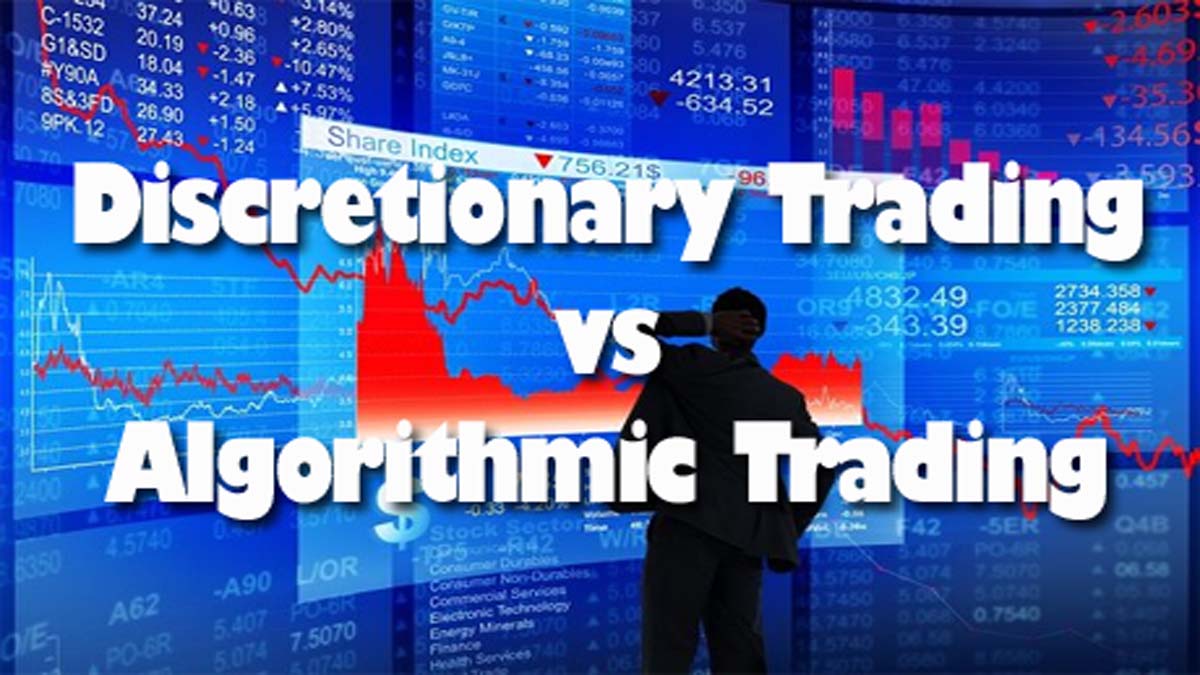
Financial markets have been changing at a fast pace for the past several years. With the advent of technology, automation, and artificial intelligence, markets have shifted gears from traditional noisy floors to high-speed computing machines. This evolution of financial markets has given its way to use computerized algorithms which can automate your trading decisions. Algorithmic trading is in application throughout the world for a decade or more. But still, there are super successful traders who believe in Discretionary trading. Let’s understand these two practices closely and figure out the Pros and Cons of each.

Discretionary Trading
Discretionary trading is a subjective method of trading where self-discretion is most important to identify stocks for trading. It’s a method where every individual can have his own view on a particular stock, so this method of trading varies from person to person. A discretionary trader relies on his or her own judgment and experience to determine when to enter and exit trades. It’s not 100% true that only fundamental analysts are discretionary traders, even a technical analyst who trades on indicators or chart patterns can rely on his discretion before punching orders into the system. Self-discretion depends on many psychological factors like your personality, sentiments, and risk-taking capacity.
Pros of Discretionary Trading:
- Real-time Market Changes: In discretionary trading, traders can react immediately to real-time market changes. Hence, they are less vulnerable to black swan events.
- Fundamental Factors: In discretionary trading, traders take into account various fundamental factors like company performance, market sentiments, etc., before taking any trades. This may benefit in the case of low-volume stocks where Dow theory or Technical analysis wouldn’t work always.
Cons of Discretionary Trading:
- Emotional Decisions: They fall prey to their own emotions which may lead to early profit booking or a prolonged losing streak.
- No Backtesting: There is no way to backtest your own discretions because they may change every time. So, you cannot really assess your system performance before going live with it.
Algorithmic Trading
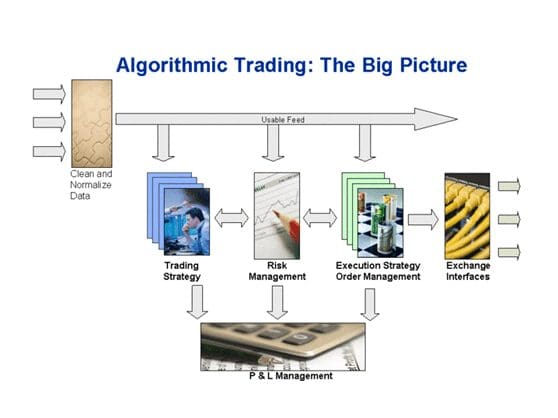
Algorithmic Trading, in contrast, is an objective method of trading governed by a fixed set of rules which doesn’t change frequently. Once you define your rules and code them using computer algorithms, the system will signal every trading opportunity when those rules are satisfied. Also, it will tell you when to exit your positions. Algorithmic trading need not be fully automated. You can still punch your orders manually based on the buy/sell signals you receive from your algorithm. Algorithmic trading is not always based on technical analysis, even fundamental indicators can be incorporated into your rules.
Pros of Algorithmic Trading:
- Emotion-Free Trading: Algorithmic traders do not get affected by emotions which are the biggest enemy of every trader. They have their rules defined and do not consider any other external factors while trading.
- Proper Risk Management: In the case of Algorithmic trading, you can have proper risk management in place. Stop Loss, target and position size can be defined in the algorithm itself which cannot be adjusted based on discretion.
- Backtesting: You can backtest your strategies for any period of time on any stock and optimize the trading rules.
Cons of Algorithmic Trading:
- Technical Errors: Computational errors, network glitches or any unexpected technical errors may lead to unforeseen losses.
Conclusion
The guest writer, Snehil, religiously follows Algorithmic trading and recommends the same to his followers at tradingtuitions.com. In fact, there are several readymade algorithmic strategies available on his website. However, he understands that there is a scope for improvement in this space at least in India due to technical and process constraints. The best course of action would be to follow your own trading style that suits your personality, risk tolerance, and trading goals. If you are someone who is comfortable with self-discretion, then discretionary trading can work for you. On the other hand, if you are someone who prefers a more systematic and emotion-free approach, then algorithmic trading can be a good fit.
It’s important to note that there is no one-size-fits-all approach to trading. What works for one person may not work for another. Ultimately, it’s up to the individual trader to determine which trading method suits them best.