
What Are IPO Signals?
IPO signals are actionable insights derived from real-time data such as subscription status, Grey Market Premium (GMP), investor participation (QIB, NII, RII), and market sentiment. These signals help investors quickly decide whether a public issue is worth applying for or should be avoided.
Instead of relying on guesswork, these signals combine multiple data points into a simplified decision framework such as “Apply,” “Avoid,” or “Wait.” This is especially useful for traders targeting listing gains as well as investors looking for better entry timing.
Why IPO Signals Matter
The IPO market moves fast, and most IPOs remain open for just a few days. During this short window, demand can shift dramatically.
Key benefits of tracking IPO signals:
- Faster decision-making
- Data-driven investing approach
- Better listing gain probability
- Reduced risk of bad IPOs
- Time-saving analysis
These signals act as a shortcut to understanding market demand.
How IPO Signals Are Generated
These signals are based on multiple key factors:
Grey Market Premium (GMP)
GMP reflects the expected listing price.
- Positive GMP = bullish
- Negative GMP = weak demand
Subscription Data
- QIB → institutional confidence
- NII → aggressive demand
- RII → public participation
Trend Analysis
- Rising demand → strong IPO
- Flat demand → neutral
- Falling demand → weak
Market Sentiment
Even strong IPOs may struggle in weak markets.
Types of IPO Signals
Aggressive Apply
- Very high GMP
- Strong QIB + NII
- Rising trend
Apply
- Positive GMP
- Good subscription
- Balanced demand
Wait
- Mixed data
- Unclear trend
Avoid
- Negative GMP
- Weak subscription
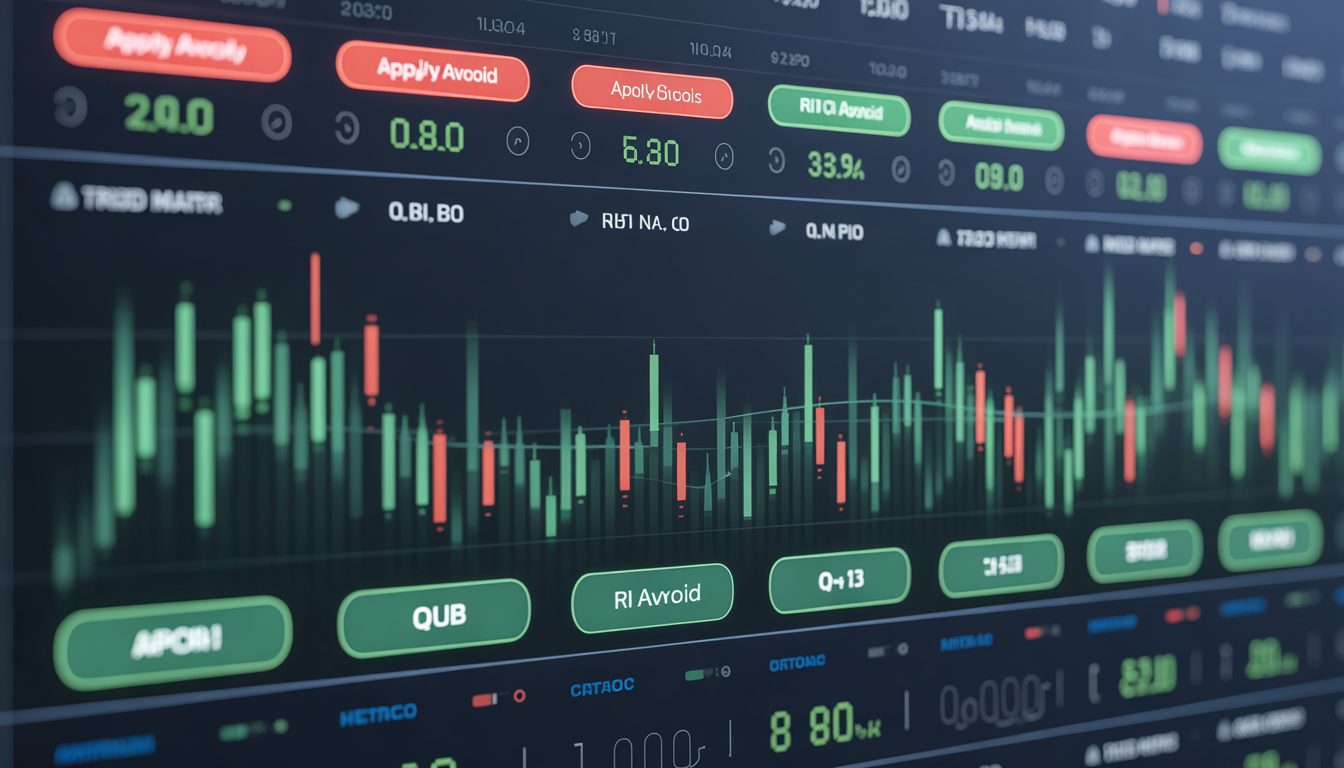
Live IPO Signals Dashboard
Below is the real-time widget:
This widget shows:
- IPO name and type
- GMP and estimated gains
- QIB, NII, RII subscription
- Trend direction
- Final signal
How to Use The IPO Signals Effectively
Combine With Fundamentals
Always check financials and business strength.
Track Daily Changes
Signals evolve during the issue period.





Avoid Hype
Trust data, not social media buzz.
Define Your Goal
- Listing gains → GMP + NII
- Long-term → fundamentals
IPO Signals vs Subscription Data
- Subscription = raw numbers
- IPO signals = decision-ready insights
IPO Signals vs GMP
GMP alone can mislead.
- High GMP + weak QIB = risky
- Moderate GMP + strong QIB = stable
Common Mistakes to Avoid
- Blindly following signals
- Ignoring fundamentals
- Applying late
- Overinvesting
- Not diversifying
Factors Affecting IPO Signals
- Company fundamentals
- Industry outlook
- Market sentiment
- IPO pricing
- Institutional participation
Short-Term vs Long-Term Strategy
These signals are mainly for short-term traders.
Long-term investors should focus on:
- Business model
- Growth potential
- Financial strength
When to Apply for an IPO
- Early days → unclear
- Mid period → better clarity
- Last day → strongest signals
Risk Management
- Limit exposure
- Avoid leverage
- Diversify
- Expect volatility
Advanced IPO Signals Strategy
Multi-Factor Approach
- Track GMP trend
- Watch QIB on last day
- Monitor NII spikes
- Compare valuation
Identify Smart Money
QIB participation is key indicator.
Avoid Fake Hype
Retail-heavy IPOs without QIB support are risky.
Real IPO Signal Scenarios
Strong IPO
- Rising GMP
- High QIB + NII
👉 Apply
Mixed IPO
- Moderate GMP
- Weak QIB
👉 Wait
Weak IPO
- Negative GMP
👉 Avoid
Market Timing Impact
- Bull market → strong listings
- Bear market → weak performance
Final Thoughts
IPO signals simplify complex IPO data into actionable insights and a better performance after the listing. They help investors make faster and smarter decisions.
However, they should always be combined with:
- Fundamentals
- GMP
- Market conditions
Use the signals as a guide—not the only decision factor.