Standalone vs Consolidated Financial Statement

Standalone vs consolidated pic

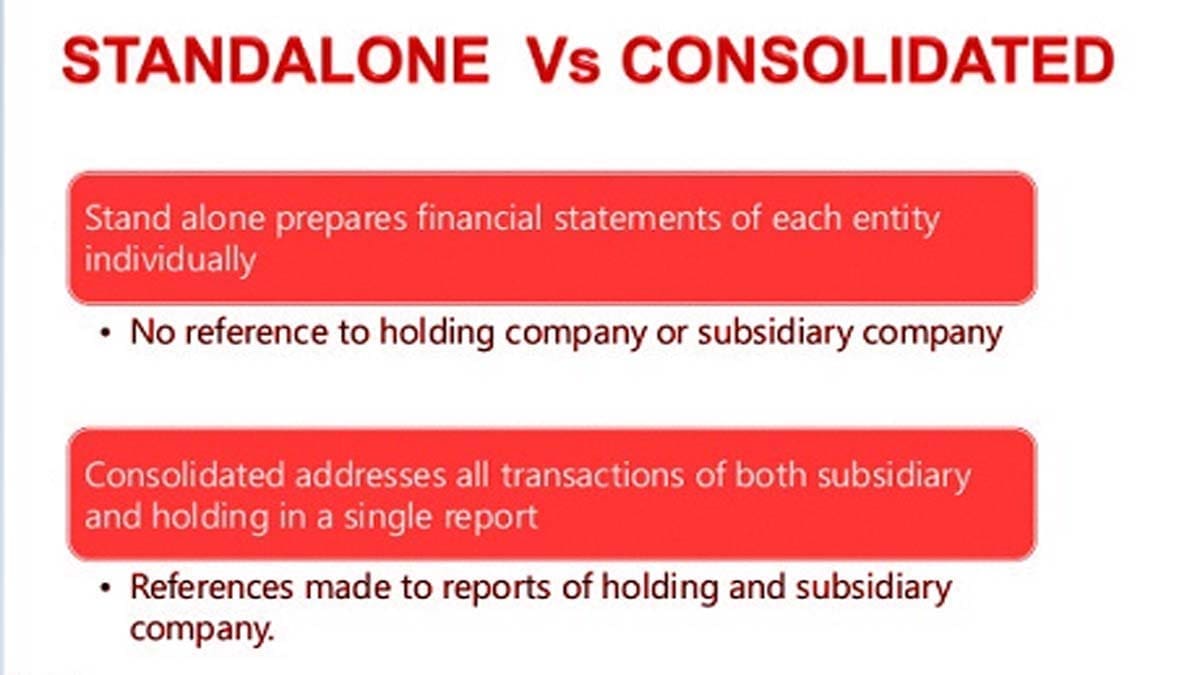
In order to analyze a company’s financial statement in fundamental analysis, you will find these terms again and again. Therefore, these basic financial terms should be clear to us. One thing is quite obvious standalone and consolidated are different from one another. So, at the end of the content, the ‘standalone vs consolidated’ concept will … Read more

What is Net Asset Value Per Share (NAV)?

Net asset value

Net asset value per share is quite an important concept to discuss. As we know that fundamental analysis is a vast subject, there are many ratios, valuations, and balance sheets to analyze the market fundamentally. The NAV per share is one of them. It also refers to NAV or NAVPS as well. NAVPS has multiple … Read more

What is Technical Analysis in Stock Market?

Technical analysis is quite a vast topic containing so many things such as candlestick charts, different types of technical indicators, price action, etc. In order to read the market properly, there are two types of analysis, Fundamental, and Technical. Basically, long-term investors prefer fundamental analysis and short-term investors go for a technical one. Today, we … Read more

Return on Net Worth Ratio (RONW): Meaning, Formula

Return on net worth ratio (RONW) meaning and formula explained for Indian stock market investors

Introduction If you’ve been scanning fundamentals on Screener/your broker app and saw return on net worth (RONW), you’re not alone if you felt confused—because the term sounds like personal finance, but in Indian stock-market language, it’s usually a straight-up profitability ratio for companies. And when you’re a retail trader or investor trying to build a practical, repeatable process, confusion … Read more

What is Return on Equity Ratio (RoE)?

ROE ratio analysis pic

The Return on Equity Ratio indicates the profitability of a company. It evaluates the profit-making scenario by using shareholders’ equity. ROE interprets how much profit a company generates by using each rupee from shareholders’ equity. Although the ratio doesn’t necessarily reveal the entire financial movements of a company, it certainly helps investors to evaluate a company’s value and … Read more

What is Market Capitalization Meaning in Stocks

What is market capitalization of a company pic

The term “Market Capitalization” is often referred to as ‘Market Cap’. It indicates the aggregate valuation of stocks. Market cap guides investors to make a quick decision about companies’ size and values. Investors can have a quick idea about the company’s valuation from this without going into too many details about a company’s balance sheet, … Read more

Price to Book Value Ratio Significance

Price to book value

In our last post, we understood what Book Value is. Now once again, price-to-book value ratio significance is another vital concept for evaluating stock price.  In order to understand the P/BV ratio, we need to convey some brief information about book value and market value separately. What is the Price to Book Value Ratio? Price … Read more

Book Value Per Share Meaning and Usage Guide

Book value per share meaning 1

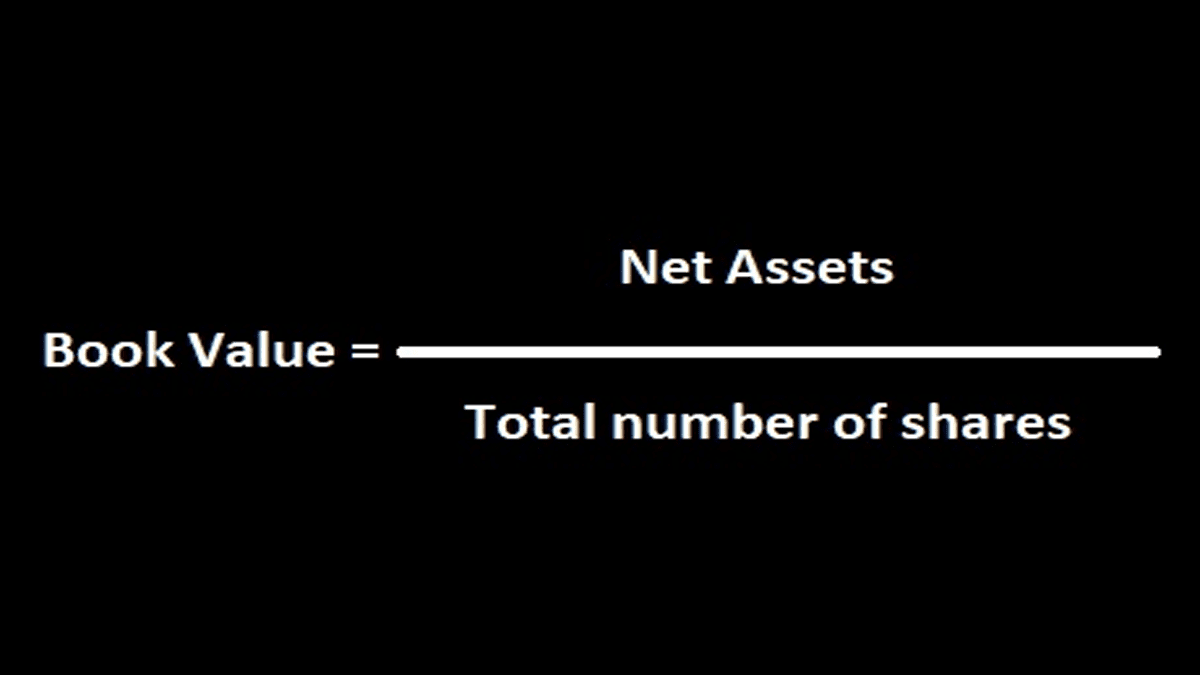
The book value or BV per share is an indicator to determine the equity relative to the market value. Book value is often called accounting value too. As book value and market value are used so often as investment terms, there can be confusion. It should be clear that there is no direct connection between … Read more

Price to Earnings: PE Ratio Meaning and Formula

PE Ratio

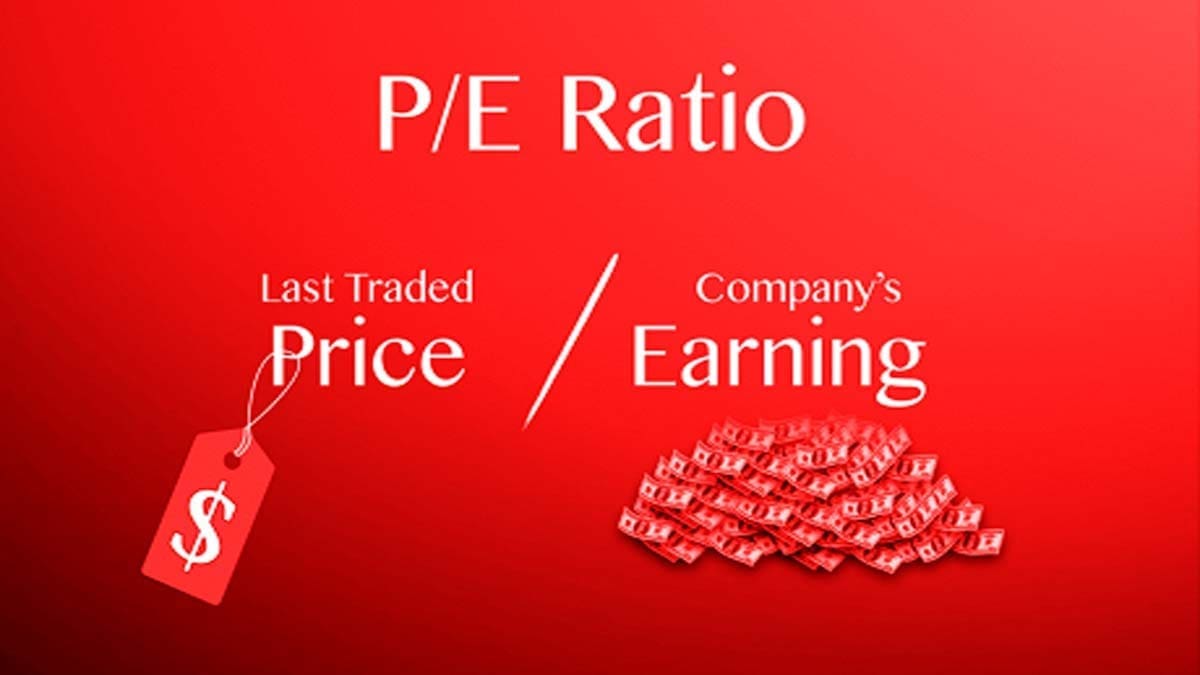
PE Ratio, often called the price-earnings ratio is a quite prominent indicator for an investor. This ratio helps to evaluate a company’s financial position and the stock’s fair market value. The price-to-earnings ratio gives the idea of the growth potentiality of the stock market. Mainly it indicates what the market is willing to pay for … Read more

Fundamental Analysis vs Technical Analysis

Stock Analysis

Fundamental analysis vs Technical analysis is one of the main topics of stock market investment. The one and only primary objective of investors is to earn maximum profit. We can generalize investment mainly in two ways, long-term investment, and short-term investment. Before investing one should analyze market movements, price fluctuations, and most importantly to understand … Read more

🟣 Zerodha Best Overall 🟢 FYERS Best Charts 🔵 Upstox Beginner Friendly