
“If you don’t understand the market structure, the market will teach you — expensively.”
If you’re searching for CMT course fees in India, career scope, and whether the Chartered Market Technician (CMT) program is actually worth it, you’re not alone.
Most Indian traders and finance students struggle with three key questions: • How much does CMT really cost in India (in INR)? • Does it actually help you get a job or increase income? • Is it better than CFA or just hype?
In this complete 2026 guide, we break down CMT course fees in India, salary expectations, job roles, exam difficulty, and real ROI — so you can make an informed decision.
What is the Chartered Market Technician (CMT) Program?
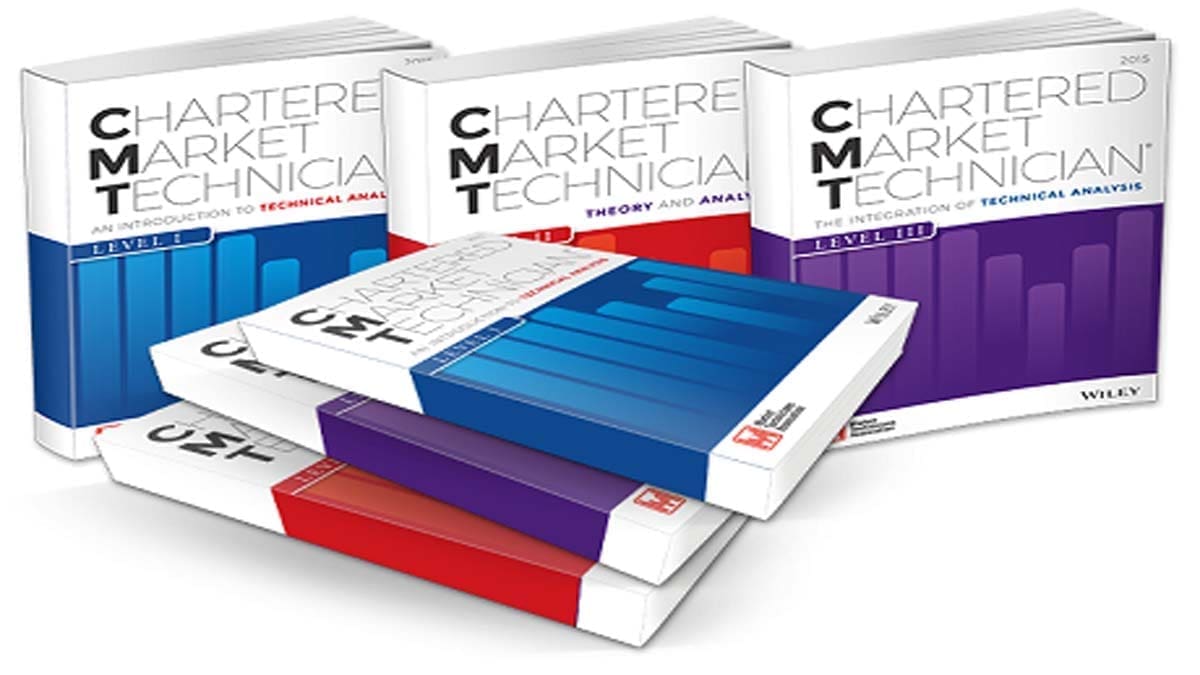
The Chartered Market Technician (CMT) is a globally recognised certification focused purely on technical analysis. Unlike traditional finance programs that emphasise financial statements and valuation, the CMT program dives deep into price action, market psychology techniques, indicators, and trading systems.
It is considered the gold standard for technical analysts worldwide and is awarded by the CMT Association.
The program consists of three levels:
• Level 1 – Basics of technical analysis
• Level 2 – Advanced concepts and application
• Level 3 – Portfolio management and decision-making
Each level builds progressively, making it a structured pathway from beginner to professional-level technical analyst.
CMT Course Structure, Levels and Syllabus
The CMT program is divided into three levels, each with increasing complexity.
Level 1: Foundation
Covers: • Dow Theory
• Trend analysis
• Chart types
• Indicators like RSI, MACD
• Basic risk management
This level tests your conceptual understanding.
Level 2: Application
Covers: • Pattern recognition
• Behavioural finance
• System testing
• Statistical analysis
• Advanced indicators
This level is more analytical and practical.
Level 3: Integration
Covers: • Portfolio management
• Risk frameworks
• Case studies
• Essay-based analysis
This level tests real-world decision-making.
CMT Course Fees in India (2026 Updated Breakdown)
One of the biggest concerns for Indian candidates is the total cost of the CMT program, especially because fees are charged in USD.
CMT Fees (Approx in INR)
• Level 1: ₹40,000 – ₹60,000
• Level 2: ₹50,000 – ₹75,000
• Level 3: ₹60,000 – ₹90,000
Total CMT Cost in India
• Without coaching: ₹1.5 lakh – ₹2.5 lakh
• With coaching: ₹2.5 lakh – ₹4.5 lakh
Additional Costs
• CMT Association Membership
• Study materials
• Mock tests
• Coaching (optional)
Cost-Saving Tips
• Register early to avoid late fees
• Use free resources for Level 1
• Avoid unnecessary coaching initially
Reality check: For Indian candidates, currency conversion significantly increases the cost, making CMT relatively expensive compared to local certifications.
Calculate Your CMT Total Cost Instantly
CMT Course Fees Calculator (India 2026)
CMT Course Duration & Study Time
The duration of the CMT program depends on your pace.
Typical Timeline
• Fast track: 18 months
• Realistic duration: 2–4 years




Study Hours
• Level 1: 80–120 hours
• Level 2: 100–150 hours
• Level 3: 120–180 hours
Working professionals usually take longer due to time constraints.
CMT Exam Format and Difficulty
Each level has a different format:
• Level 1: Multiple-choice questions
• Level 2: Advanced MCQs
• Level 3: Essay-based questions
Difficulty Level
• Level 1: Moderate
• Level 2: Difficult
• Level 3: Advanced
Pass rates generally range between 60% to 70%, making it challenging but achievable with proper preparation.
CMT Jobs and Salary in India
After completing CMT, several career opportunities open up.
Job Roles
• Technical Analyst
• Equity Research Analyst
• Derivatives Analyst
• Trading Strategist
• Quant Analyst
• Portfolio Analyst
Salary in India
• Entry-level: ₹4 – ₹8 LPA
• Mid-level: ₹10 – ₹20 LPA
• Experienced: ₹20L+
Top technical analysts in India earn around ₹14–22 LPA on average.
Important: CMT alone does not guarantee a job. Skills, practical experience, and networking play a bigger role.
Is the CMT Course Worth It in India?
This is the most important question.
When CMT is Worth It
• You want a career in technical analysis
• You are a trader looking for structured learning
• You want global credibility
• You plan to build a career in research or fintech
When CMT is NOT Worth It
• You want investment banking or corporate finance roles
• You expect instant income growth
• You are not ready for long-term commitment
Reality: CMT is valuable but niche. It is not as widely recognised as CFA in India.
CMT vs CFA – Which is Better?
This is one of the most searched comparisons.
CMT Focus
• Technical analysis
• Charts and indicators
• Trading strategies
CFA Focus
• Financial analysis
• Valuation
• Investment banking
Which One Should You Choose?
Choose CMT if: • You love charts and trading
Choose CFA if: • You want corporate finance or investment roles
Both can be complementary if used strategically.
How to Prepare for the CMT Exam
Preparation is the key to success.
Study Plan
• Create a structured timetable
• Allocate 2–3 hours daily
• Focus on weak areas
Resources
• Official curriculum (must)
• Practice questions
• Mock exams
Common Mistakes
• Ignoring revision
• Over-relying on one resource
• Not practising enough MCQs
Recommended CMT Study Resources
Always rely on official materials first.

You can supplement with:
• Technical Analysis of Financial Markets – John Murphy: Buy it on Amazon
• Japanese Candlestick Techniques – Steve Nison: Buy it on Amazon
• Optuma prep resources: Get it Now
Avoid relying only on free PDFs, as they may not cover the entire syllabus.
Real Challenges of the CMT Program
Many candidates face real struggles:
• Time management with a job
• Understanding complex concepts
• Lack of structured study plan
• Doubts about ROI
Addressing these early improves your chances of success.
Who Should Do the CMT Program?
CMT is ideal for:
• Traders
• Technical analysts
• Finance students
• Engineers transitioning to finance
It is also suitable for content creators and educators in the trading space.
Who Should Avoid CMT?
You may avoid CMT if:
• You want quick results
• You dislike technical analysis
• You prefer fundamental investing
• You are not committed long-term
Final Verdict
The Chartered Market Technician (CMT) program is a powerful certification for those serious about technical analysis.
However, it is not a magic solution.
It requires: • Time
• Money
• Discipline
If used correctly, it can significantly enhance your career, knowledge, and credibility.
FAQs – CMT Course in India
The total cost ranges from ₹1.5 lakh to ₹4.5 lakh, depending on coaching and exam timing.
CMT is better for technical analysis, while CFA is better for finance and investment roles.
Yes, but basic market knowledge helps.
It provides structured knowledge but does not guarantee profits.
Typically, 2–4 years, depending on your pace.
Conclusion
The CMT program is one of the best certifications for technical analysis globally. But like any professional course, its value depends on how you use it.
If you are serious about markets, disciplined in learning, and realistic about outcomes, CMT can be a game-changer for your career.
Otherwise, it can become an expensive mistake.
Choose wisely.